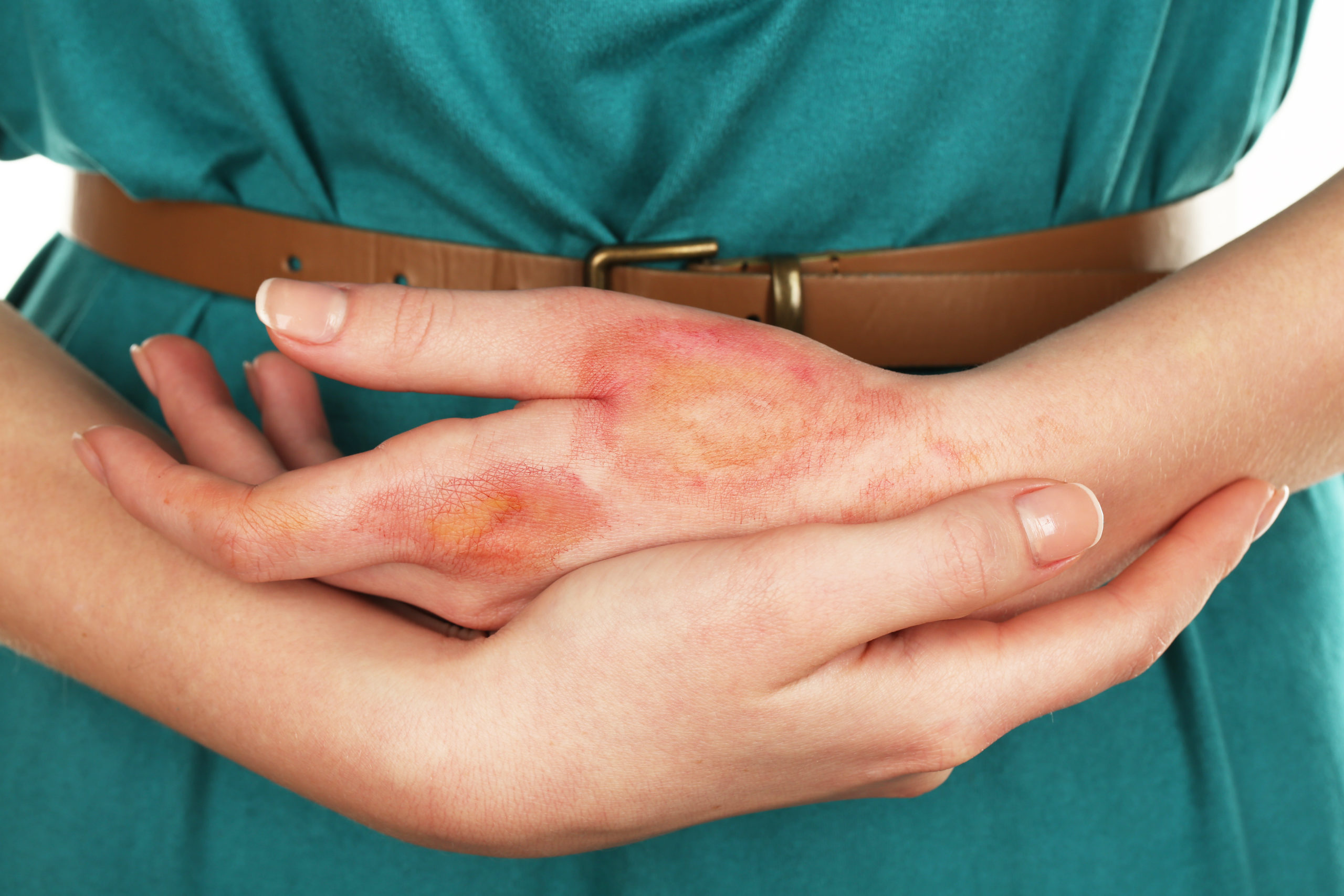
Pain is not a high-end issue in emergency situation care, it is the here and now sign that shapes every choice you make in the initial mins. Treat discomfort properly and you acquire depend on, enhance assessment accuracy, and often avert problems. Obtain it incorrect and the entire experience tilts. The recognized unit PUAEME008 Offer pain monitoring rests directly in that area. It gives paramedics, initially responders, occasion medics, and professional support staff a functional, defensible framework to reduce discomfort securely in unchecked environments.
I have taught and executed this device across ambulance solutions and remote clinics, and the very same motifs repeat: the procedures look straightforward on paper, yet real scenes are untidy. You should protect a line of sight to what matters most, scoot without reducing edges, and document as if an auditor adventures in the jump seat. This short article breaks down what the training covers, why it is structured the method it is, and exactly how it links to wider discomfort monitoring training courses for registered nurses and physiotherapists who sustain prehospital teams or operate in urgent-care settings.

Where PUAEME008 Fits in the Training Landscape
The PUAEME008 give discomfort monitoring system is generally nested within public security and emergency situation reaction certifications. You will see it coupled with standard life assistance, oxygen therapy, and analgesia modules in certificate-level plans made for operational responders. It does not make believe to be a thorough pain fellowship, and that is appropriate. The focus is safe, prompt analgesia with minimal resources, typically prior to a clear-cut medical diagnosis exists.
For clinicians coming from healthcare facilities, this can feel like a step down in pharmacology depth, however in reality it is an action up in risk management. Emergency situation discomfort administration on an aesthetic at 3 a.m. varies from an ED workstation with complete tracking and drug store gain access to. The device calibrates decisions to that field truth: quick assessments, repeat observations, conventional dosing, and solid interest to contraindications that are easy to miss when the wind is up and the client is pale and sweating.
This unit can sit alongside a certification training course hurting management provided to multidisciplinary personnel. The distinction is focus. A discomfort management certificate program in a healthcare facility system studies multimodal and persistent structures. PUAEME008 supports intense, often terrible, presentations with brief half-life alternatives, simple delivery systems, and distinct documentation.
What the Unit In fact Covers
Training companies vary in shipment, but the core outcomes continue to be stable. You discover to examine pain swiftly utilizing typical scales, to pick suitable analgesic pathways within your scope, to provide, monitor, and afterwards reassess. You likewise discover to rise when the image does not fit or pain stays uncontrolled.
Typical range consists of:
- Scene-based analysis and differential framework of pain in the very first 5 minutes: injury versus medical, red flags that imply time-critical pathology, and just how discomfort itself can mask or simulate severity. Analgesic choices lined up with the -responder's extent and jurisdiction. The acquainted trio is inhaled methoxyflurane where allowed, oral or transmucosal agents, and basic parenteral alternatives for those recommended. Some solutions include intranasal opioids or ketamine under details methods. The device instructs indication limits and quit rules. Non-pharmacological approaches like positioning, immobilisation, splinting, ice or heat when proper, disturbance, and guided breathing. In busy changes these get neglected, yet they frequently reduced discomfort scores by two or three factors prior to any kind of medicine takes effect. Monitoring for efficiency and unfavorable effects. You discover to cycle monitorings at defined intervals and to associate subjective discomfort scores with objective pens: respiratory system price, end-tidal carbon dioxide where readily available, mental standing, perfusion, and movement. Communication and consent. The system stresses clarifying choices plainly, acquiring educated authorization or continuing under suggested permission where capability suffers, and documenting the rationale in clear language.
The analysis is functional. You run through pain management certification course scenarios that range from an ankle joint fracture at a sporting activities event to a confused older grown-up with abdominal discomfort. Teachers will certainly watch just how you verbalise danger, just how promptly you see transforming vitals, and whether you request for aid early. Paper expertise aids, yet it is the behaviors under time pressure that pass or fail you.
Why Emergency situation Pain Monitoring Needs a Different Lens
In controlled environments it is very easy to build a perfect discomfort ladder. Out in the open, priorities shift. The most common error I see is false precision, a tendency to look for the suitable medical diagnosis prior to providing first-line relief. In a roadside crash with a noticeable deformity, waiting on a full differential misses the point. Discomfort itself drives tachycardia and hyperventilation, gets worse anxiety, and blocks meaningful assessment. Analgesia comes to be a diagnostic tool. As the discomfort goes down, you can palpate, reposition, and examination function even more accurately.
The second difference is approval under unpredictability. The client is frequently anxious, hypoxic, or intoxicated. You still aim for approval, but you mount it crisply. "I can use a fast-acting breathed in discomfort medicine. It subsides rapidly, some people feel lightheaded. Would you like that while we splint your leg?" After that you pause, view their eyes, listen for the yes. Good training teaches this cadence.
Finally, the device appreciates that responders typically work alone or as a set without a doctor on the radio. Methods must be clear, not based on extensive consults. If the plan permits methoxyflurane as much as a defined maximum, you find out to dosage, monitor, and quit within those borders. If intranasal fentanyl is consisted of, you learn specific volumes per nostril, spacing, and saturation limits that trigger a modification of plan.
The Pharmacology You In fact Use
Most PUAEME008-aligned programs prioritise agents that are portable, fast-onset, and simple to titrate. Specific formularies rely on the service, but numerous patterns show up once again and again.
Methoxyflurane, where available, is a field workhorse. It is inhaled, self-administered with coaching, and it enables a guarded sort of self-titration. The training emphasises supervision, limiting total dosage, and recognising when a patient's method stops working due to agitation or fatigue. It also teaches ecological safety and security. The smell is distinctive, and in inadequately aerated areas companies can really feel boring or headachy. Split a home window, action outside if functional, and turn tasks so the very same staff participant does not hover by the mouth piece for twenty minutes.
Intranasal opioids, commonly fentanyl, fill the void when breathed in options are contraindicated or poor. The intranasal path stays clear of needle stick danger and relocates quickly via vascular nasal tissue. You learn to split the dose in between nostrils, readjust for age and frailty, and pay callous focus to airway tone as soon as discomfort decreases. You rehearse what to do if breathing rate slips listed below thresholds, when to reposition, when to include oxygen, and when to reverse.
Ketamine, in some extended-scope services, makes its location for stressful discomfort that withstands other representatives, especially when hypotension makes opioids high-risk. The device does not turn responders into anaesthetists. It demands specific dosing, clear contraindications like psychosis, and durable monitoring. The advantage is tremendous in remote setups where extrication and cot activity turn mins into an hour.
Paracetamol and non-steroidal anti-inflammatories do not grab headlines, however their additive effect issues. Early enteral dosing alongside fast-acting agents creates a bridge that holds with transportation and handover. The device shows secure NSAID use, renal cautions, and stomach security for older adults.
Non-Drug Methods That Matter Greater Than You Think
Every pain administration program chats up non-pharmacological approaches. In emergency treatment, those techniques are not "great to have." They are the initial intervention. Splinting an unsteady ankle joint, padding a backboard stress point, boosting an arm or leg to minimize pain, and orchestrating a tranquil setting all transform the client's experience prior to a single dose. I typically ask trainees to try their discomfort scale again after appropriate positioning. The number routinely visits 2. That drop acquires time and reduces complete drug load.
Guided breathing looks easy, yet many responders rush it. The trick is to couple your breath and count aloud, slow enough to feel unpleasant. 5 secs in, hold for a beat, five seconds out. Use your hand on their shoulder to establish the pace. After a minute the jaw unclenches, and you can put the monitor leads without a fight.
Cold and heat stay low-risk adjuncts if you value contraindications. Acute sprains like cold packs in the first hours. Spasm-dominant low pain in the back might respond to warmth if there is no suspicion of infection or injury. The training teaches you to ask short, targeted questions that reveal when a straightforward pack helps more than a second drug.
Documentation Is Part of the Therapy
I reward paperwork as part of analgesia. Good notes safeguard clients, support clinical reasoning, and rate ED decision-making. PUAEME008 drills an easy structure: standard discomfort score, area and top quality descriptors, selected intervention with rationale, the time of administration, and a re-evaluation at specified intervals. If something feels incorrect, write that down also. "Pain out of proportion to searchings for" is not a grievance, it is an analysis idea. It signals area disorder, vascular compromise, or occult abdominal pathology.
Audit teams look for patterns. If every individual reports 10/10 discomfort prior to and 2/10 after, something is off. Find out to adjust the scale with people. "Absolutely no is nothing at all, ten is the most awful pain you can visualize. Where are you right now?" Then slow with their very own words. After intervention, request the brand-new number and what transformed: "I can move my leg now," or "it still stabs when I breathe." That nuance aids the next clinician pick up the thread.
Safety Internet and Red Flags
The most skilled -responders bring two psychological manuscripts: one for routine discomfort treatment and one for the exceptions. The unit explicitly trains both. Warning consist of abrupt severe frustration unlike previous migraines, chest discomfort with diaphoresis and radiation, abdominal discomfort with protecting and hypotension, back pain with neurological shortages, and arm or leg pain with pallor, pulselessness, or paraesthesia. Analgesia does not quit because a red flag exists, but lines of communication open quickly. You signal getting groups, reduce on-scene time, and keep medicine choices conservative if they may mask vital signs.
Paediatric pain is its very own globe. Kids under-report or misreport, and troubled moms and dads intensify or suppress hints. PUAEME008 uses age-appropriate ranges like the Wong-Baker faces or observational tools for preverbal kids. Dosing ends up being weight-based and margin for mistake tightens. I teach a habit of reading doses from 2 independent sources on scene, such as a laminated card and a calculator app, to avoid straightforward transpositions.
Older grownups need a different care. Renal function, polypharmacy, and cognitive standard are commonly unknown. Low-and-slow dosing, longer observation, and very early factor to consider of non-opioid complements reduce damage. If an individual with an autumn presents with moderate head strike and a typical examination but takes anticoagulants, analgesia continues, but you support for imaging and mindful handover.
How PUAEME008 Intersects With Other Disciplines
Pain administration courses for registered nurses and discomfort monitoring courses for physiotherapists typically target subacute or persistent problems. Yet there is an efficient overlap with this emergency system. Nurses in immediate care and remote facilities handle initial discussions when ambulance hold-ups stretch. A discomfort administration qualification program that includes severe triage abilities, secure breathed in or intranasal choices, and tracking boosts results in those setups. Physio therapists running pitch-side or in commercial sites frequently end up being initial clinicians to see injuries. Short courses in pain administration that mirror PUAEME008 concepts help them stabilise while waiting for transportation and connect successfully with getting teams.
For groups that span roles, a typical language issues. Settle on scale use, application language, and handover framework. I have seen multidisciplinary staffs cut ten mins off scene time just by straightening on that leads analgesia and that papers. That is not facts, it is the difference in between a comfortable patient and one that shows up clenched and exhausted.
Choosing a Provider and What Good Training Looks Like
A provide discomfort administration program should leave you confident to act under stress, not just to pass an analysis. Try to find service providers that teach with sensible circumstances, real tools you will utilize in the area, and teachers that have recent functional experience. Ask just how they resolve unfavorable occasions. If the answer is "we cover that in theory," maintain looking. You need to practice apnoea drills, throwing up during breathing therapy, and handling anxiety after ketamine, also if your solution seldom releases it.
Credentialing matters. Seek a discomfort administration certification straightened with your jurisdiction's requirements and acknowledged by your solution. Paper alone is not enough, yet it opens up doors. If your job arc consists of advanced method roles, a discomfort administration certification that includes more comprehensive pharmacology and multidisciplinary study enhances PUAEME008. Ladder your training attentively: start with the emergency situation unit, add a certificate program hurting monitoring for breadth, then target specialist modules appropriate to your setting.
Practical Tips From the Field
These are the small steps that make large differences over years of practice.
- Prepare your analgesia package like a cabin, with the exact same layout every change. Muscle memory under stress avoids dosing errors and speeds shipment. If you share packages across crews, standardise the format and tag syringes and atomisers clearly.
Triage your discussions. Individuals hurting read about one sentence in 3. Lead with what issues: "I can lower your pain now. Below is exactly how it works." Then take care of approval, risks, and following action in brief, concrete expressions. Check comprehension with a question that requires a choice, not a yes/no nod.
Use time checkpoints. In my staffs we call the initial 5-minute review aloud and record it within 60 seconds. That little ritual improves both security and handover quality.
Treat nausea quickly. Vomiting threatens patient count on and makes complex airway security. If your methods permit, pair analgesia with an antiemetic for risky instances: movement in the back of a rig, stressful pain, or prior history.
Hand over the person with a discomfort narrative. "Arrived to 8/10 discomfort in the best hip, offered inhaled analgesia with a decline to 4/10, then intranasal opioid with a drop to 2/10. Steady vitals throughout. Pain spikes to 6/10 when we roll. Splinted and cushioned." This thread overviews the getting team to continue the plan rather than reactivate from zero.
Assessment and Proficiency: What to Anticipate on the Day
The functional analysis in PUAEME008 generally unfolds across a couple of situations and a short composed part. For the situations, assessors watch your circulation greater than your memory of minute details. They wish to see you check for threat, recognize and quantify pain, pick a treatment within scope, and then follow through with monitoring and documentation.
If you blank on a dose, state so, locate the recommendation, and continue properly. emergency pain management That gains even more trust than presuming. If the client's pain does not shift, you escalate within the procedure and require clinical advice if shown. They will likely introduce a curveball: nausea, a decrease in saturation after opioid, or a moms and dad who refuses an intervention for a kid. Remain calmness, demonstrate options, and paper deviations.
For the written part, anticipate short-answer inquiries on approval, contraindications, and side effects. The objective is not to trap you, yet to validate that you understand why the method claims what it says.
Connecting PUAEME008 to Career Growth
Many responders see discomfort administration training as a checkbox. That sells it brief. Proficiency in analgesia associates with overall scene management. You connect better due to the fact that you alleviate enduring early. Patients speak to you, you collect clearer histories, and your vitals are extra reliable because they are not distorted by distress. Supervisors notice. When settings open for team leaders or clinical support policemans, the responders who handle discomfort easily typically rise.
For nurses, a pain monitoring accreditation course that includes prehospital modules opens up urgent-care roles and occasion medication work. For physiotherapists, adding emergency discomfort administration abilities anchors your place on sporting activities medication teams and job-related wellness programs. A pain monitoring certificate does not change professional levels, yet it expands your extent safely.
A Note on Ethics and Equity
Pain is not dispersed uniformly across populations. Social expression of discomfort varies, and implied predisposition forms just how clinicians react. The very best discomfort administration training courses address this head-on. You discover to apply regular scales, not suspicion based on who "looks" hurting. You discover to ask open questions, and to verify reported pain even when it surpasses your assumption for the noticeable injury. In remote and Indigenous neighborhoods, depend on can be thin. Bringing timely analgesia without rubbing builds bridges. That matters greater than many protocols admit.
Final Ideas: Make Pain Relief a Trustworthy Habit
PUAEME008 codifies behaviors that experienced clinicians already practice. Examine promptly, deal with early, combine non-drug and medication steps, screen carefully, and record without drama. It gives you a structure that holds when adrenaline spikes or when fatigue dulls judgment at 4 a.m. It likewise creates a shared language across teams. If you operate in emergency care and you do not yet hold this system, it belongs on your listing of discomfort administration training courses to complete. If you already hold it, review the skills annually. Bring a colleague, swap roles, and audit each various other's charts for a shift. The individuals will not remember your certification number. They will certainly bear in mind being listened to, being helped, and having the ability to take a breath without supporting every rib. That is the heart of emergency situation discomfort management.
For those developing more comprehensive pathways, mix this training with a pain administration certification program that discovers multimodal strategies, pharmacovigilance, and interaction throughout self-controls. Nurses who anticipate to triage and stabilise ought to look at discomfort administration training for registered nurses that consists of intranasal analgesia, age-specific scales, and escalation protocols. Medical professionals in sports and bone and joint treatment can take advantage of pain management programs for physiotherapists that mirror acute treatment truths, including splinting and event-side decision-making. Whether you pick a brief training course hurting management or an extra detailed pain management qualification program, let the PUAEME008 frame of mind support your practice: eliminate discomfort early, securely, and with adequate humbleness to readjust as brand-new information arrives.