Pain sits at the crossroads of physiology, psychology, and context. It can be a broken wrist in a schoolyard, a neuropathic melt that lingers long after tiles, the aching spinal column that keeps a registered nurse off the roster, or a post‑operative patient grimacing behind a stoic face. A strong pain administration accreditation program transforms that intricacy into practical skills. It constructs the practices that clinicians reach the bedside, to the rescue bay, and to the community. It is not a badge, however a scaffolding for judgment, security, and empathy.
This overview unpacks the competencies every trustworthy certification course hurting management should instruct, exactly how those abilities equate to day-to-day method, and how to choose a training course that fits your scope and setting. It also resolves details streams such as pain administration training courses for registered nurses and discomfort management training courses for physio therapists, together with short courses in pain management that target emergency care.
What a discomfort administration accreditation must cover
The ideal programs anchor themselves to evidence while keeping pace with practice. Theory matters, yet just inasmuch as it changes what you do at the client's side. Whether you choose a discomfort monitoring certification training course created for intense care, neighborhood health, or rehabilitation, seek the complying with styles woven via the curriculum.
Assessment as a professional skill. Accurate discomfort assessment is greater than requesting for a number. It is choosing the right tool for the individual in front of you, observing behavior, and changing for cognitive impairment, developmental phase, society, and language. Adults who decrease distress require a different method from a nervous teen or a nonverbal older grown-up with ecstasy. A robust discomfort management training block provides you a toolkit: numerical ranges, verbal descriptors, aesthetic analog ranges, Wong‑Baker for pediatric medicines, PAINAD for mental deterioration, and function‑oriented inquiries like, "What can you do since you could not do yesterday?" Experienced clinicians triangulate throughout these.
Pharmacology with guardrails. Medication is not a pillar. Non‑opioids, opioids, adjuvants, topical representatives, and local strategies all belong when utilized deliberately. Good discomfort administration training programs teach dosage titration, ceiling results, opioid similarities, cross‑tolerance, body organ impairment adjustments, and interactions. They additionally educate restraint: when to stop, when to trial nonpharmacologic therapies initially, and how to deprescribe without triggering withdrawal or rebound pain.
Nonpharmacologic therapies that really get utilized. A lot of training courses pay lip service to heat, ice, positioning, exercise treatment, or cognitive methods. The beneficial programs demonstrate how to make them stick in genuine centers: establishing person assumptions, producing micro‑goals, scripting useful mentoring, and documenting outcomes. For physiotherapists, discomfort monitoring training courses for physio therapists should relocate beyond tissue‑centric designs to modern pain scientific research, graded exposure, pacing, and communication that defuses threat.
Communication that develops partnership. The words we pick can aggravate or lighten pain. Preventing disastrous language, confirming the patient's experience, and setting straightforward objectives adjustments adherence and anxiety. This is particularly crucial in emergency discomfort management, where mins matter and depend on figures out whether a person will accept a nerve block, inhaled analgesia, or a single‑dose opioid.
Safety, risk mitigation, and stewardship. No certification course in pain management is full without sensible danger assessment for misuse, overdose avoidance, naloxone education, and safe storage space. This is not just for opioid therapy. Gabapentinoids, NSAIDs, and tricyclics carry dangers as well, particularly in polypharmacy. Programs need to cover tracking plans, prescription drug surveillance data sources where suitable, and referral thresholds.
Special populations. Kids, expecting people, older adults, people with renal or hepatic problems, those with OSA, and patients with compound usage problems all need tailored analgesic plans. Discomfort administration programs for nurses and interprofessional groups ought to install these situations in simulation and instance testimonial, not simply in slides.
Documentation that protects and educates. Clear, contemporaneous notes lower error and assistance connection. High‑quality pain administration training for nurses and allied medical professionals should establish routines like taping pain intensity Visit website and practical impact, treatments provided, time to impact, damaging impacts, and follow‑up steps.
Across these themes, the programs that stand apart pair didactic web content with case‑based knowing, micro‑simulations, and reflective debriefs. They give you sample phrases for hard conversations and design templates you can adjust to your setting.
Matching qualification to your duty and environment
A single training course can not offer every person just as. A country paramedic requires different devices from an outpatient physio or an oncology nurse. When examining a discomfort monitoring certification program, very first map your day‑to‑day demands.

Ambulance and first action. Paramedics and initially responders frequently take advantage of brief courses hurting administration concentrated on fast assessment and area interventions. In some regions, the PUAEme008 Offer Pain Monitoring device (commonly created as PUAEME008 Supply Pain Administration in proficiency structures) specifies the requirement for prehospital analgesia. It generally covers nitrous oxide/oxygen blends, methoxyflurane where permitted, fundamental opioid administration under methods, and nonpharmacologic methods like splinting and positioning. The very best implementations emphasize scene security, permission, and reassessment every couple of minutes. If your service is updating methods, a targeted emergency discomfort monitoring training course can re‑align practice swiftly.
Acute care nursing. Discomfort administration training for registered nurses in health centers ought to focus on post‑operative pathways, multimodal analgesia, PCA security, nerve block aftercare, and acknowledgment of warnings concealed by anesthetics. Night shift facts belong in the curriculum: how to titrate safely when staffing is lean, exactly how to escalate when a block subsides at 3 a.m., and just how to document sedation ratings together with discomfort scores.
Primary treatment and neighborhood health. For generalists, a discomfort administration certificate oriented to chronic non‑cancer discomfort is typically most valuable. It needs to deal with graded task, short behavioral interventions, sleep hygiene, neuropathic pain programs, and just how to have actually structured opioid testimonials without rupturing relationship. Recommendation mapping issues below: knowing that in your location takes intricate instances and what information they need.
Rehabilitation and physiotherapy. Pain administration programs for physiotherapists ought to incorporate modern-day pain neuroscience with hands‑on practice. Graduates must have the ability to explain sensitization without jargon, set exposure power structures for fear‑avoidance, and companion with prescribers to taper medicines while boosting function. Programs that include role‑play around language option assistance medical professionals stay clear of nocebo results from casual remarks.
Palliative and oncology setups. Medical professionals need depth in opioid turning, event discomfort preparation, adjuvants like ketamine or methadone under specialist support, and the values of stabilizing awareness with comfort. Documentation and family communication are as important as titration.
Your range and regulations determine what you can do. A credible pain monitoring qualification course will certainly mark clearly where regional legislations form method, for instance who might provide methoxyflurane, launch a PCA, or recommend adjuvants.
Building core expertises in assessment
Assessment is a living procedure. Pain modifications hour to hour with motion, mood, and treatment. Strong training programs teach medical professionals to make use of both scales and stories.
A quick instance from the ward: an individual with an overall knee substitute reporting 7 out of 10 at rest. Typical reflexes could sign more opioids. An even more nuanced analysis notes that the patient can perform straight‑leg increases and sit beside the bed for just one minute before stopping due to pain and anxiety. After coaching, ice, a little opioid top‑up, and a change ready, the number at rest stays 6, yet the individual currently endures 5 minutes of gentle activity and accepts physio. Feature enhanced while the number hardly moved. Without a function‑oriented framework, you might miss that progress.
In prehospital care, the evaluation window is pressed. Paramedics have to infer seriousness from device, vitals, activity, and brief discussion. The PUAEME008 Provide Discomfort Monitoring competency, where adopted, trains responders to examine contraindications rapidly, make use of organized devices like AVPU and sedation scales, reassess every five minutes, and document both the intensity and the action to treatments. That rhythm prevents under‑treatment and over‑treatment.
For kids, the skill hinges on mixing observation with developmentally proper scales. A six‑year‑old post‑fracture might rate pain as "big" or "little" on a faces range. The medical professional also sees limb guarding, play actions, and consolability. Pediatric dosages are weight based and timing sensitive. A great discomfort monitoring course provides you mental math faster ways, pre‑calculated graphes, and practice with carers who fear yet essential allies.
Cognitive disability complicates self‑report. In elder care, devices like PAINAD integrated with family input and mindful trialing of analgesia can expose distress concealed as "anxiety." Training courses that consist of video vignettes often tend to prepare medical professionals better for these subtleties.
Multimodal analgesia as default, not exception
Single agent strategies are easy to teach and document yet seldom optimal. A multimodal strategy attacks different discomfort pathways with reduced dosages, reducing adverse effects. In surgical wards, that may be regular paracetamol, an NSAID if kidney feature enables, a low‑dose opioid for advancement, local anesthetic where offered, and early mobilization under physical rehabilitation. In neuropathic discomfort, maybe a gabapentinoid or SNRIs, topical lidocaine, and paced task. In emergency situation discomfort management, it could be splinting, nitrous or methoxyflurane for rapid alleviation, and a small IV opioid dose in a titrated fashion.
The technique is to stay clear of polypharmacy without objective. Programs worth their fee teach you to establish a quit date for every single prn, strategy testimonials, and look for duplication throughout discharge recaps and community prescriptions. They likewise highlight bowel routines alongside opioids and kidney monitoring when NSAIDs are used beyond a few days.
Regional techniques are worthy of more interest as a whole training. Also if you do not perform blocks, comprehending their signs, advantages, and red flags assists you supporter for individuals and check them securely. For registered nurses, a discomfort monitoring training course that consists of catheter look after continuous nerve blocks, fall threat payments, and documents of motor and sensory modifications is gold.
Communication that lowers pain
Words transform physiology. A simple "your pain is actual and we are going to treat it together" reduces anxiousness and muscle mass tension. Explaining what to get out of a medicine-- "this will likely take 15 minutes to start helping, and your discomfort needs to be half what it is currently"-- minimizes the understanding of delay and offers a timeline for relief. In persistent pain, reframing from "we will certainly eliminate pain" to "we will certainly boost what you can do, also if some discomfort lingers" stops dissatisfaction and unlocks to rehabilitation.
I keep a brief manuscript for difficult discussions regarding opioids. It acknowledges the person's suffering, attaches security to operate, and offers tangible options. Role‑play in a pain monitoring qualification training course aids medical professionals discover language that fits their style while preventing adversarial characteristics. In our solution, a quick workout altered just how colleagues responded to the question, "Are you calling me a medication hunter?" The brand-new response-- "I am calling you an individual hurting, and my job is to make a secure strategy that aids you now and protects you later"-- pacified numerous tense experiences on the spot.
For physiotherapists, discomfort education and learning calls for care. Stay clear of claiming "your back is unsteady" or "your knee is damaged" unless imaging and feature demand it. Expressions like "sensitive, not broken" paired with graded direct exposure can move behavior. Great pain monitoring programs for physiotherapists consist of patient‑tested allegories and approaches to customize explanations to individuality and culture.
Risk administration without stigma
Risk testing is part of caring treatment. Devices and checklists assist, however the tone issues. Asking, "Has anybody in your family ever before needed assist with medicine safety and security?" beats a cool "Any type of history of substance abuse?" It opens up a discussion about storage, kids in the home, and safe disposal. In settings where naloxone is readily available, stabilizing it as a seatbelt instead of a label decreases resistance.
Courses should teach sensible systems that safeguard everyone: check for high‑risk application adjustments, independent sedation racking up prior to repeat opioid dosages, infusion pump safeguards, and acceleration triggers. For ambulatory practice, contracts that focus on objectives and security as opposed to punishment have a tendency to function better.
Be alert to non‑opioid risks. NSAIDs can precipitate kidney injury in dehydrated people, aggravate cardiac arrest, and create GI bleeding. Gabapentinoids rise sedation and falls when incorporated with opioids, especially in older adults. Tricyclics help neuropathic pain but aggravate orthostasis and anticholinergic concern. A well‑designed pain monitoring accreditation training course drills these warns right into reflex.
Documentation as a clinical tool
Documentation is not a duty when you treat it as component of the treatment. A solid note interacts trajectory and issues to the next clinician. In practice, that appears like this: "Discomfort 8/10 at remainder, guarding right lower arm or leg. Methoxyflurane self‑administered for 4 minutes, splinted tibia, advised in slow-moving breathing. Pain 4/10 on movement after 7 minutes. No queasiness. Vitals secure. Strategy: titrate fentanyl 25 mcg IV if pain stays over 5 during extrication. Reassess every 5 mins." That degree of clearness prevents over‑dosing, flags the next action, and works as a training artifact later.
In wards and facilities, pair strength with function: "Can stroll 20 meters with structure prior to quiting as a result of discomfort at the cut. No sedation. Bowel opened up today. Will include regular paracetamol 1 g q6h, continue ibuprofen 200 mg q8h with food for 48 h, oxycodone 5 mg prn for innovation as much as 20 mg per day. Goal for tomorrow: 40 meters."
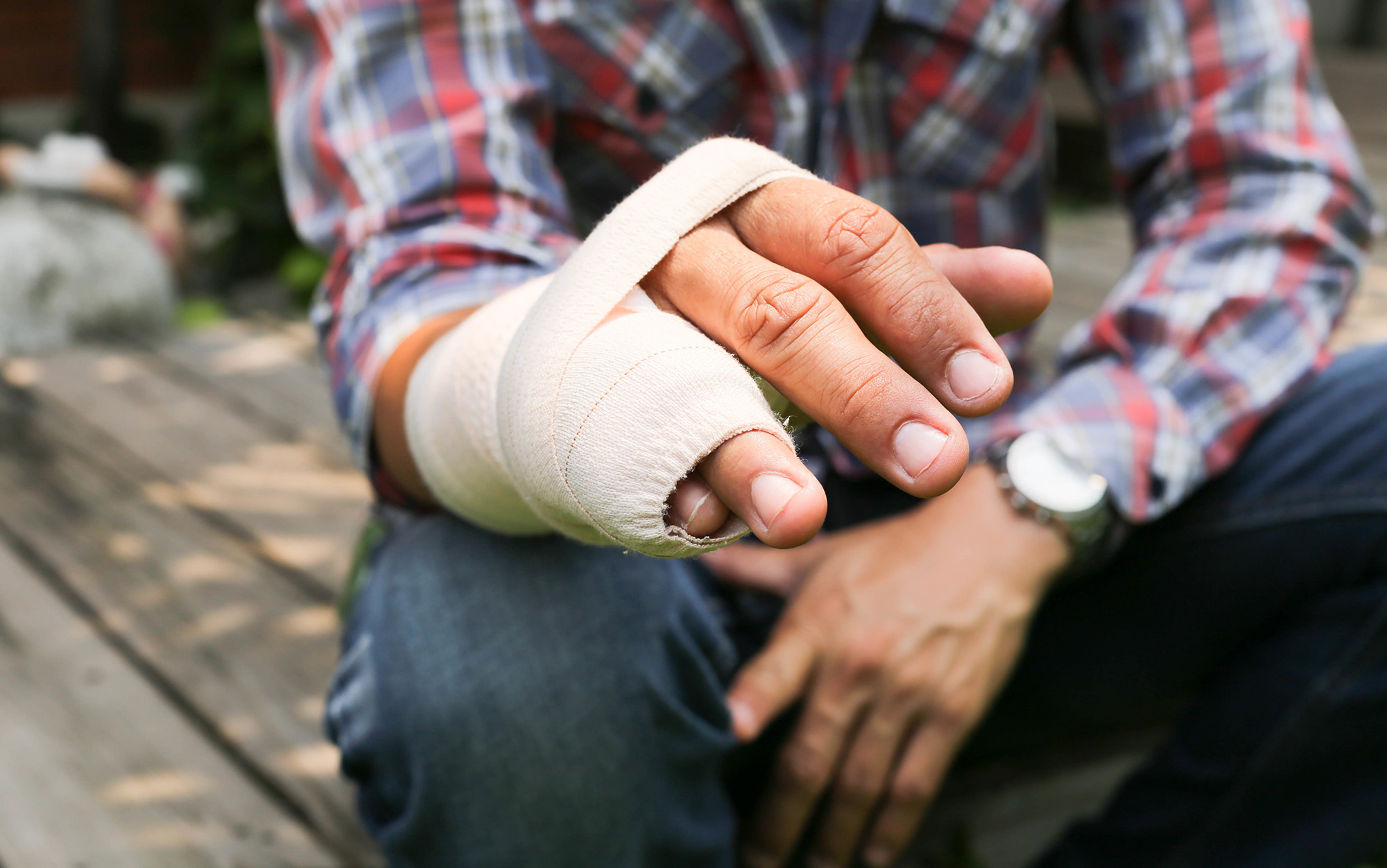
Pain monitoring training for nurses need to include chart audits and comments. It is humbling the very first time, then swiftly comes to be enjoyable as you see patterns and close loops.
Choosing the right course: what to look for
Clinicians come across a crowded market of pain administration training courses. A fast checklist can conserve time and money.
- Clear positioning with your range, including lawful medications or methods you can use, and realistic situation circumstances from your setting. Faculty who still exercise medically and can respond to "what do you do when" inquiries with specifics, not theory. Assessment that checks judgment under restrictions, not simply recall. OSCEs, simulations, or instance write‑ups are far better than several choice alone. Practical sources you can repossess to function: dosing charts, person handouts, scripts, and paperwork templates. A prepare for upkeep of proficiency, whether routine refresher courses, updates on standard modifications, or possibilities for instance discussion.
Programs that prepare paramedics for PUAEME008 Give Discomfort Monitoring or comparable competencies must consist of device laboratories, simulated noisy settings, and repetition under time pressure. Hospital‑oriented programs ought to consist of PCA pump troubleshooting, post‑block surveillance, and after‑hours escalation pathways. For discomfort administration training courses for physiotherapists, ask whether the mentor consists of rated direct exposure preparation, flare‑up administration, and communication mentoring, not just anatomy refreshers.
The anatomy of an effective brief course
Short training courses suffering monitoring can provide outsized gains if they are tightly focused. A two‑to‑eight‑hour emergency discomfort monitoring module can change practice in a single shift.
Consider a half‑day program for blended ED personnel. In the very first hour, update on rapid analgesia pathways: triage‑initiated paracetamol and advil for fracture individuals without contraindications, IN fentanyl protocols, and the role of ketamine for serious discomfort with hypotension threats. The 2nd hour, run simulation: a screaming toddler with a forearm fracture, a stoic older adult with a hip crack and borderline oxygen saturation, an individual in sickle cell situation ranked as difficult by the last team. Include methoxyflurane mouthpiece setting up and troubleshooting. The third hour, debrief documents and bias. That obtained analgesia fastest, and why? Where did language or assumptions postpone treatment? Completed with a fast competency check and a one‑page protocol card. That structure sticks.
On the other end, a discomfort administration certification made for neighborhood care might run over several weeks with on-line components and live workshops. The best ones appoint 2 patient instances that individuals track over a month. You see the messiness of great days and flare‑ups, medication changes, and rehabilitation pacing. The learning ends up being local, not abstract.
Implementing new abilities on the floor
One program does not erase old behaviors. Turning accreditation right into practice takes purpose and group buy‑in. I have seen solutions pair training with tiny system tweaks that make change likely. Stocking nitrous or methoxyflurane in grab bags so staffs do not have to unlock additional cupboards enhances usage when ideal. Rewording admission order readies to include multimodal analgesia with stop dates and bowel regimens moves suggesting patterns. Including a pain reassessment field to digital documents forces a minute of reflection and documentation.
For physio therapists, simple tools help. A one‑page flare‑up strategy that clients can submit-- what to do, exactly how to scale back, when to call-- lowers anxiety and unintended sees. A language overview taped to the workdesk converts medical jargon into individual phrases that reduced danger. Gradually, you notice less no‑shows and far better adherence.
Nurses typically come to be the very early caution system. A common phrase like "Sedation score 2 prior to prn demand" in handover activates a conversation with the prescriber. A shared view of what "advancement discomfort strategy" means protects against the back‑and‑forth at 2 a.m. where everybody is guessing. Pain management training for registered nurses ought to teach not only the web content, however likewise exactly how to lead these micro‑improvements on the unit.
Evaluation and maintenance
Certification should note the start of a knowing cycle, not its end. Discomfort scientific research develops, medications come and go, and patient assumptions shift. Build a basic review rhythm. Every quarter, pick one theme-- for instance, neuropathic discomfort regimens-- and audit five situations. Did the strategy suit guidelines? Were adverse impacts tracked? Did feature enhance? Share findings in a short huddle. The point is not compliance movie theater. It is to catch drift and reinforce great habits.
Refresher pain monitoring training courses do not need to be long. A 60‑minute upgrade on brand-new advice, a debrief on a difficult case, and a fast skills look for any type of gadget maintains capability fresh. Providers aligned to PUAEME008 provide discomfort monitoring commonly require regular recertification. If you deal with the process as a chance to refine protocols and debrief genuine incidents as opposed to a box‑tick, your teams will engage.
Ethics and equity
Pain is not dispersed relatively. Predisposition seeps in. Research studies continually reveal that individuals from marginalized groups receive much less analgesia for similar problems. Certification programs need to face this clearly. Instruct groups to utilize organized tools to reduce subjective drift, and to take a look at where assumptions alter decisions. In practice, this might suggest implementing triage‑initiated analgesia protocols that do not wait for a medical professional's assessment, or creating standing orders that encourage nurses to begin non‑opioid treatment and nonpharmacologic actions quickly.
Language gain access to is important. Pain evaluation loses accuracy via inadequate translation. Solutions that purchase interpreter gain access to, basic person handouts in common languages, and team training in plain speech see far better end results. In physiotherapy, culturally adapted discomfort education and learning materials increase interaction and trust.
Ethics likewise suggests limits. Find out to say no to unsafe demands in a manner that maintains the relationship intact. A pain administration certification training course that includes role‑play with standard patients and responses will help you discover words that value freedom while securing patients and the public.
A note on guideline and credentials
Before joining, validate that the pain administration qualification lines up with your jurisdiction's guidelines. Some certifications lug CPD or CME credit reports, others pain management courses for physiotherapists please certain competency systems like PUAEME008 Supply Discomfort Management for emergency situation services. For prescribers, examine whether conclusion meets local board assumptions for opioid prescribing training. For nurses and physiotherapists, confirm that the course is recognized for specialist development hours and appropriate to your scope.
Marketing can be loud. Look previous buzzwords and discover the alignment with your everyday job. Ask for a syllabus. If a carrier can not inform you how their pain management certification prepares you for the situations you encounter most, maintain looking.
What adjustments on Monday morning
The ideal comments I listen to after a solid discomfort administration training course is easy: "I treated pain faster," or "My individual walked farther," or "That conversation went much better." Qualification becomes real when individuals feel alleviation sooner, when negative occasions decrease, and when your notes narrate that any kind of colleague can follow.

A paramedic staff chooses splinting and methoxyflurane during a hard extrication, reassesses, then includes a small opioid dose. The individual shows up calmer, with steady vitals and no nausea or vomiting. A medical registered nurse couples regular non‑opioids with a very early digestive tract regimen, instructors mobilization, and limits prn opioids to function‑limiting discomfort. A physiotherapist clarifies pain sensitization in ordinary language and develops a rated plan that the person believes in, with a flare‑up strategy taped to the refrigerator. These are the end results that matter.
Pain management qualification is not concerning perfection. It has to do with constructing the routines that make good choices likely under pressure. Pick a course that develops your judgment, exercise the abilities until they are calm reflexes, and keep refining. Clients really feel the difference.